
Understanding the psychological thrills behind gambling decisions
The Allure of Uncertainty
Gambling presents an exciting blend of chance and skill, tapping into the human psyche’s natural attraction to uncertainty. When individuals engage in gambling, they often find themselves enthralled by the unpredictability of outcomes. This uncertainty can trigger a release of dopamine, the brain’s reward chemical, which heightens feelings of excitement and pleasure. As a result, players frequently chase this thrill, hoping for that next big win. This intrigue can even lead some to explore real money casinos as a means of testing their luck and strategy.
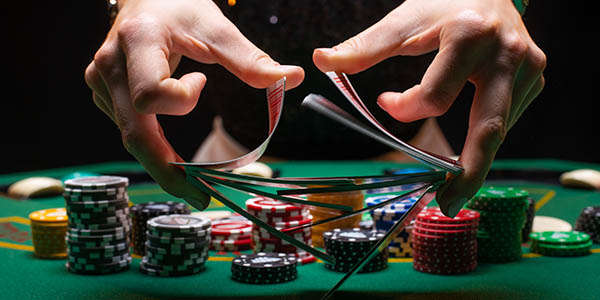
This psychological mechanism is deeply rooted in our evolutionary past. The unpredictability of gambling mimics the risks our ancestors faced in hunting and foraging. Today, this ancient instinct manifests in the modern world through gambling activities, drawing individuals into a cycle of risk-taking and reward-seeking behavior.
The Role of Cognitive Biases
Cognitive biases play a significant role in gambling decisions, influencing how players perceive risk and reward. For instance, the gambler’s fallacy leads individuals to believe that past outcomes affect future chances, despite the randomness inherent in games of chance. This misunderstanding can compel players to make irrational bets, believing that luck is on their side after a losing streak.
The anticipation associated with gambling can create an exhilarating emotional experience. This process, known as “anticipatory excitement,” occurs as players prepare to place bets or await the outcome of a game. The emotional rollercoaster of hope and despair intensifies the psychological thrill, making the experience more engaging.
Moreover, this excitement can lead to a phenomenon called “near misses,” where players come close to winning but ultimately lose. These near misses can be interpreted as signs of impending success, reinforcing the desire to gamble. This anticipation keeps individuals engaged, even in the face of repeated failures, as the next round could always yield a different outcome.
The Social Aspect of Gambling
Gambling often transcends individual play, becoming a social activity that fosters connection and shared experience. This social aspect can amplify the psychological thrills associated with gambling, as players enjoy the camaraderie and collective excitement. Games like poker or sports betting become social events, where the thrill of competition and social interaction enhance the overall experience.
Moreover, peer influence can significantly impact gambling decisions. Observing others winning can spur a competitive drive, motivating individuals to take risks they might otherwise avoid. This social dynamic reinforces the thrill and excitement associated with gambling, making it not just a solitary pursuit but a community experience that heightens emotional engagement.

Website Commitment to User Safety
In the world of online gambling, user safety is paramount. Many websites prioritize robust security measures to protect users from potential threats, ensuring a secure gambling environment. Transparency in these security protocols helps build trust among users, allowing them to engage with confidence.
As visitors navigate online platforms, they may encounter access issues or security blocks. Clear communication regarding these challenges is essential, as it guides users in resolving situations efficiently. This commitment to user safety fosters a responsible gambling environment, where individuals can enjoy the psychological thrills of gambling while being safeguarded against risks.